The Quiet Emergency: Inside America's Hidden Valleys as Climate Redraws Their Botanical Maps
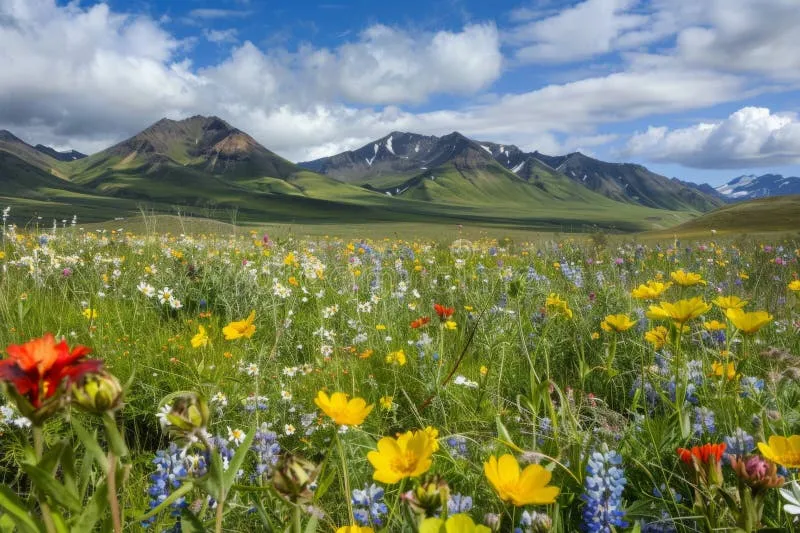
Photo: rare wildflowers blooming in remote mountain valley canyon botanical research, via thumbs.dreamstime.com
There's a small fern that grows in exactly one valley in the United States. It doesn't have a common name most people would recognize. It doesn't show up on any hiking bucket list. It's not Instagram-famous. But according to botanist Dr. Lena Farris, who has been monitoring its population in a narrow limestone gorge in the Tennessee Appalachians for the past eleven years, it is running out of time.
"The microclimate that allowed it to persist here — the cool air drainage, the moisture retention from the canopy — that's shifting," she told me during a field visit last fall. "We're talking about a species that survived the last ice age in this exact hollow. And now, in the span of maybe two decades, the conditions are changing faster than it can adapt."
This is the quiet emergency happening in valleys across the country. Not in the places that make headlines, but in the unnamed hollows, canyon floors, and mountain drainages that most Americans will never visit — the very places that have historically served as refugia, botanical lifeboats where rare and ancient plant communities hung on through millennia of climate fluctuation.
Why Valleys Matter More Than You Think
Valley ecosystems are disproportionately important to plant biodiversity for reasons that come down to basic geography. They collect cold air, retain moisture, and create microclimates that can differ dramatically from the surrounding landscape. A valley floor in the Ozarks might support plant species more typical of the upper Midwest, simply because the topography creates conditions that don't otherwise exist at that latitude.
These aren't just botanical curiosities. They're living records of how plant communities have migrated, contracted, and survived across thousands of years of climate change. And right now, according to researchers tracking vegetation shifts across the country, many of them are being rewritten.
Dr. Amos Keller, an ecologist with the University of Arizona who studies dryland plant communities in the canyon systems of the Colorado Plateau, describes it as watching a slow unraveling. "The lower elevations are getting hotter and drier faster than the models predicted. Species that used to have viable populations in valley bottoms are retreating upslope. But in a lot of these narrow canyon systems, there's nowhere left to go. You hit the rim and that's it."
Three Valleys on the Front Lines
If you want to witness these changes firsthand — and travel responsibly while doing so — a handful of valleys stand out as particularly significant, and accessible enough for adventure travelers willing to do some homework.
The Jemez Mountains, New Mexico. The canyon drainages cutting through this volcanic landscape host an unusual mixing zone where Rocky Mountain conifers, desert scrub, and riparian species converge. Researchers from the New Mexico Botanist Society have documented measurable shifts in the flowering times of several endemic species over the past 15 years, with some blooming two to three weeks earlier than historical records indicate. The Valle Grande, part of the Valles Caldera National Preserve, is open to visitors and offers a rare chance to walk through one of the largest intact grassland calderas in North America — one that's quietly becoming a study site for climate-driven vegetation change.
Linville Gorge, North Carolina. Sometimes called the "Grand Canyon of the East," this wilderness area in the Pisgah National Forest shelters plant communities that have persisted since the Pleistocene. The gorge's steep walls and complex topography create layered microclimates, and botanists have flagged it as a priority monitoring site for climate-driven range shifts. Several rare fern and liverwort species found here exist nowhere else in the state. Day hikes into the gorge are permitted with a free wilderness permit on weekends — go on a weekday and you'll likely have the trail to yourself.
The Hoh River Valley, Washington. The temperate rainforest of the Olympic Peninsula is one of the most ecologically complex valley systems in the country, and it's also one of the most closely watched. Researchers have noted changes in the understory plant composition over the past decade, with some moisture-dependent species declining as precipitation patterns shift. The Hoh is accessible and well-managed, but the backcountry corridors beyond the main visitor areas offer a more intimate look at a forest in flux.
How to Visit Without Making It Worse
This is where trip planning genuinely matters. These ecosystems are fragile in ways that aren't always obvious, and the same qualities that make them botanically significant — their isolation, their microclimate dependence, their narrow endemism — also make them vulnerable to careless visitation.
A few practical principles worth building into your plans:
Stay on established trails. This is non-negotiable in sensitive botanical areas. Cryptobiotic soil crusts, rare ground-level plants, and shallow root systems can be damaged by a single off-trail footfall. The "leave no trace" principle isn't a suggestion in these places.
Document, don't collect. If you have any interest in contributing meaningfully to conservation science, download the iNaturalist app before you go. Citizen science observations from remote valleys are genuinely useful to researchers — many of whom lack the field hours to monitor these areas consistently. A well-photographed plant observation, correctly geo-tagged, can fill real gaps in the data.
Talk to rangers before you go. Land managers at national forests, wilderness areas, and preserves often know which areas are under active study and which access points minimize impact. A five-minute phone call can redirect your route in ways that matter.
Travel in small groups. The ecological impact of a group of ten is not the same as two or three people moving through a sensitive area. This is especially true in narrow valley systems where trail options are limited.
The Case for Bearing Witness
There's a case to be made — and Dr. Farris made it to me, standing in that limestone gorge in Tennessee — that thoughtful human presence in these places isn't inherently harmful. "The valleys that nobody visits are also the valleys that nobody advocates for," she said. "If travelers start caring about these botanical communities, that's not nothing. That's how conservation funding gets directed. That's how land protection happens."
The plants in these hidden valleys have been adapting to change for longer than our species has existed. Some will find a way through. Others won't. The least we can do — as travelers, as people who seek out the places where the map ends — is pay attention while we still can.