Coming Home Sideways: The Adult Children Bringing Their Parents Back to the Hollows
Kayla Merritt left Harlan County, Kentucky, at eighteen with a clear plan: go far, stay gone, build something different. She spent the next two decades doing exactly that — a marketing career in Nashville, a condo, a life that bore almost no resemblance to the creek-bottom hollow where she grew up. She called her parents every Sunday. She visited twice a year. She did not, under any circumstances, plan to go back.
Then her father had a mild stroke at seventy-one, and the calculus changed.
"The rehab facility they put him in was fine," she says, sitting on the porch of a farmhouse in a valley about twenty miles from where she was born. "Clean, professional, all of it. But I'd visit and watch him just... shrink. He didn't know anyone. There was nothing familiar. He'd spent sixty years in the same hollow and suddenly he was in a beige room watching cable."
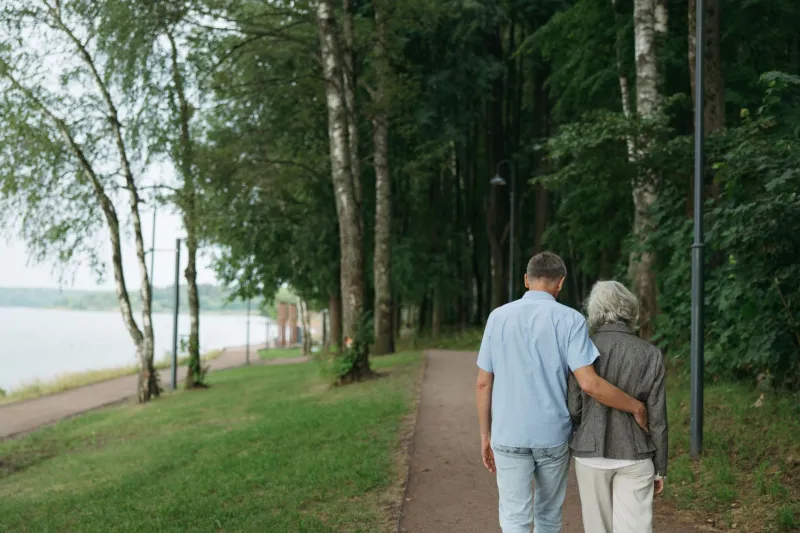
Kayla didn't move her parents to an assisted living community in Nashville. She moved them — and eventually herself — back to the hollow. She is not alone in this.
The Reverse Current
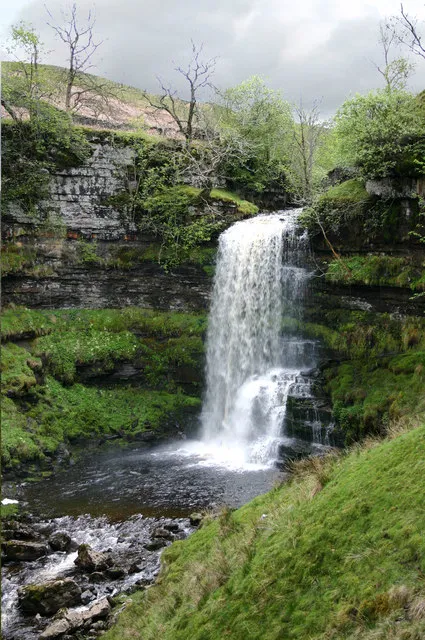
Across Appalachia, the Ozarks, the river valleys of the rural South and West, a demographic pattern is quietly emerging that runs counter to virtually every assumption the senior care industry has operated on for the past thirty years. Adult children — many of them professionals in their thirties and forties who left rural communities for cities — are relocating aging parents back to remote valleys. Not to family compounds or multigenerational farmsteads, exactly, but to something in that direction.
The motivations are layered. Cost is part of it: rural property in many of these valleys remains dramatically more affordable than comparable space near urban assisted living facilities. But the people making these moves consistently describe something harder to quantify — a conviction that the environment itself matters to the quality of aging, and that the environment their parents know best might matter most of all.
Dr. Lenora Vasquez, a geriatric social worker based in Knoxville who has tracked this trend across her caseload, calls it "ecological familiarity as care."
"There's a body of research suggesting that for older adults — especially those with early cognitive changes — familiar environments can slow certain kinds of decline," she explains. "The sounds, the light, the seasonal rhythms. These aren't abstract comforts. They're neurological anchors."
For parents who spent their formative decades in a particular valley, the return isn't just sentimental. It may be, in a measurable sense, therapeutic.
What the Kids Are Giving Up
This isn't a painless choice. The adult children driving these relocations are, in most cases, making significant personal and professional sacrifices to make them work.
Tyler Boudreaux grew up in a small valley community in the Arkansas Ozarks and built a software engineering career in Austin that he'd spent years constructing. When his mother's Parkinson's diagnosis made it clear that she needed more consistent support, he spent six months researching memory care facilities before arriving at a different conclusion.
"Everything I found was either too expensive, too far from her, or felt like it was designed for someone else's parent," he says. "My mom is an Ozarks woman. She knows those hills. She knows what it smells like in May. I started thinking: what if the best thing I can do isn't find the right facility, but find the right place?"
He bought a property in a valley about twelve miles from where his mother was born, negotiated a remote work arrangement with his employer, and moved both of them there eighteen months ago. His social life is thinner. His career trajectory has flattened somewhat. He describes none of this as a tragedy.
"I think I had a very specific idea of what success looked like and it didn't include this valley," he says. "Now I'm not sure that idea was right."
The Community That Receives Them
Not every remote valley is prepared — or necessarily thrilled — to absorb this reverse migration. Communities that have spent decades watching young people leave are in some cases surprised to find themselves receiving an older demographic alongside the remote workers and adventure travelers who've been arriving in recent years.
The reception is mixed. Some longtime residents describe genuine warmth for families coming home, even sideways and a generation late. Others note the practical complications: limited medical infrastructure, long distances to specialist care, roads that become difficult or impassable in winter.
Donna Akers runs a small general store in a western North Carolina valley that has seen three such families arrive in the past two years. "It's good for us," she says simply. "These are people who understand how to live here. They're not treating it like a vacation. That matters."
The distinction she's drawing is one that comes up repeatedly: these aren't retirees choosing a scenic backdrop for their golden years. They're families with roots — even if those roots skipped a generation — returning to terrain that shaped them. The hollows, in many cases, seem to recognize the difference.
What It's Changing About Aging
Dr. Vasquez sees in this trend a broader cultural reckoning with how Americans have understood the final chapters of life. The dominant model — specialized facility, professional care, geographic separation from family history — was built on assumptions about what aging people need that may have always been incomplete.
"We optimized for safety and medical access and we underweighted everything else," she says. "Connection to place. Intergenerational proximity. Meaningful daily rhythm. The families making these moves are essentially running a different experiment."
Kayla Merritt's father, now two years into his recovery, tends a small garden plot behind the farmhouse. He knows every neighbor within a mile. He can name the birds by sound. On good days, he walks the same creek path he's walked his entire life.
"He's not the same as he was before the stroke," Kayla says. "But he's more himself than he was in that facility. I don't know how else to explain it. He's in the right landscape."
She pauses, looking out at the ridgeline that frames the hollow on the western side.
"I think I might be too," she says. "Finally."
The hollow she left at eighteen didn't wait for her. But it was still here when she found her way back — not as escape, not as nostalgia, but as the most practical answer to a question she didn't know she was asking.