New Roots in Old Hollows: Remote Work Is Quietly Rewriting the Story of America's Forgotten Valleys

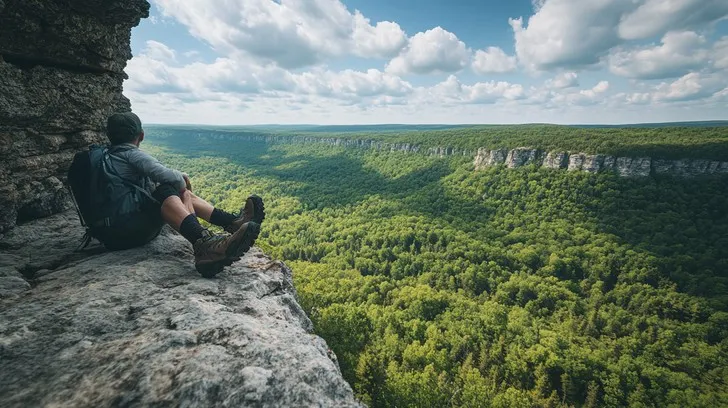
Photo by Photo by Dennis Zhang on Unsplash on Unsplash
Drive far enough down a two-lane road in Letcher County, Kentucky, and the cell signal disappears before the scenery does. The mountains close in. Satellite dishes sprout from weathered porches. A hand-painted sign outside a diner advertises the Thursday special: soup beans and cornbread, $4.50. This is not a place that has historically attracted outsiders on purpose.
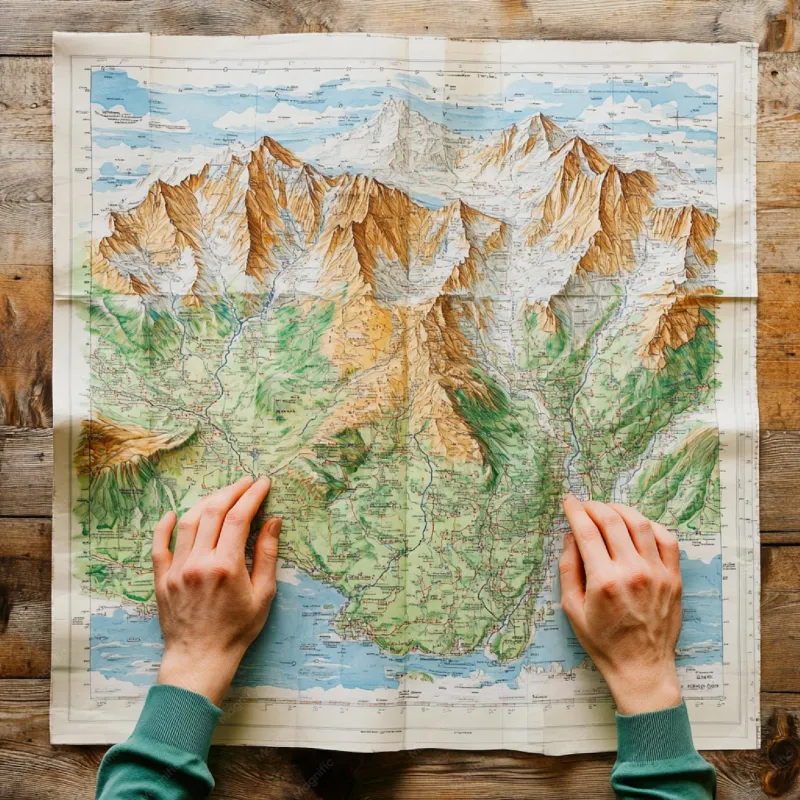
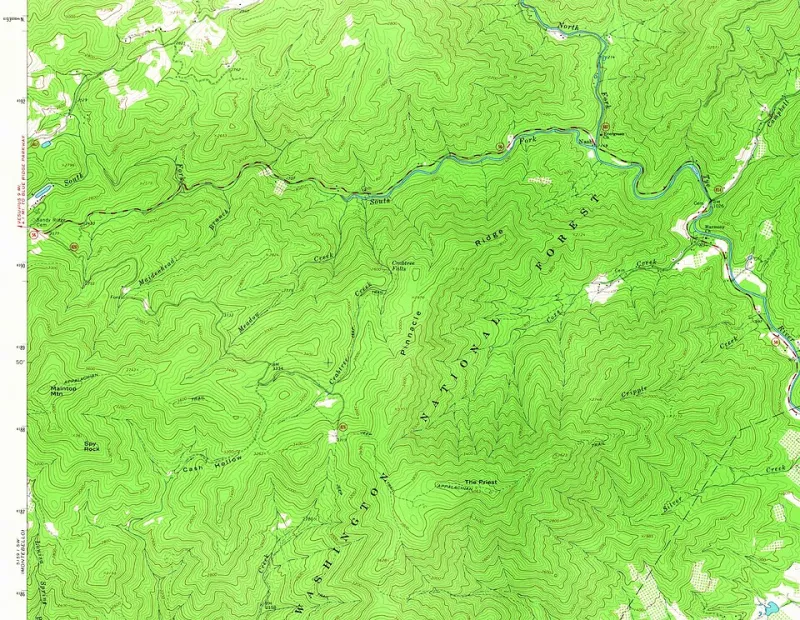
But things are shifting. Quietly, incrementally, in a way that doesn't show up on a map — at least not yet.
Broadband as a Trailhead
The story of remote work coming to isolated American valleys almost always starts with the same unlikely hero: fiber-optic cable. Without it, none of this happens. And in places like Harlan County, Kentucky, or Escalante, Utah, the arrival of reliable broadband has functioned less like a utility upgrade and more like a door swinging open.
When Escalante, a town of about 800 people wedged between Grand Staircase and the Aquarius Plateau, got improved internet infrastructure in the early 2020s, a small but noticeable wave of remote workers followed. They came for the canyon access, the silence, the cost of living that made their coastal salaries feel like windfalls. A two-bedroom house that might run $3,500 a month in Denver can be had for a fraction of that here — and you wake up with a view of vermillion cliffs instead of a parking garage.
"I took a video call from my porch last Tuesday," says Maren, a UX designer who relocated from Portland two years ago. "I was looking at a mesa. My coworkers in the background had a drop ceiling. I don't think about going back."
The Math Works — But It's Complicated
For valleys and hollows that have spent decades hemorrhaging population — watching young people leave for cities, watching storefronts go dark, watching the tax base erode — the arrival of remote workers carrying outside income looks, on paper, like a lifeline.
In some places, it genuinely is. Local diners report steadier weekday traffic. Hardware stores are moving inventory again. Real estate, long stagnant, has started to tick upward. In Grundy, Virginia, a small city tucked into Buchanan County's ridgelines, a handful of remote workers have quietly helped sustain businesses that were on the edge.
But the math gets complicated fast.
That same upward tick in real estate is exactly what worries long-time residents. In communities where median household incomes hover around $30,000, even a modest increase in home prices can price out the people who have lived there for generations. "My daughter wants to buy a house here," says Robert, a retired miner in Whitesburg, Kentucky. "She grew up here. Now she can't afford to. That's not progress to me."
It's a tension playing out in valleys from Appalachia to the Colorado Plateau: the economic rescue and the economic displacement arriving in the same pickup truck.
Who Gets to Define the Place?
Beyond dollars and square footage, there's a softer, harder-to-quantify friction happening in these communities. It's about identity. About who a place is for.
In many Appalachian hollows, culture is not a backdrop — it's load-bearing. The music, the food, the specific cadence of how people greet each other on the road, the unspoken codes of community reciprocity. When newcomers arrive with different assumptions, different aesthetics, different ideas about what a town should look like or become, the friction can feel existential to people who've been there for five generations.
"They're not bad people," says Donna, who runs a small grocery in a hollow outside Pikeville, Kentucky. "But sometimes I feel like they're visiting a museum and we're the exhibit. They take pictures of the old church. They don't come to the service."
Others are more optimistic. Cody, a 34-year-old who runs a small outdoor guiding operation in the canyon country of southern Utah, sees the remote worker migration as a potential bridge. "These are people who chose to be here. That's different from a tourist. They're invested. Some of them are the best neighbors I've had."
The Businesses Caught in the Middle
Local entrepreneurs are navigating this shift with a pragmatism that's worth paying attention to. A coffee shop owner in a small Tennessee valley town near the Smokies told us she's deliberately kept her menu split: the biscuits and gravy her regulars have ordered for twenty years sit right next to the single-origin pour-over that newcomers expect. "I'm not choosing sides," she says. "I'm just trying to make rent."
That kind of cultural code-switching — serving two communities without alienating either — is becoming a quiet skill set in these places. It's not always comfortable, and it doesn't always work. But it's honest.
Some valley towns have tried to be more proactive. A handful of rural counties in Appalachia and the Mountain West have launched formal remote worker incentive programs, offering cash stipends or relocation bonuses to attract outside income. The results are mixed. Money alone doesn't build community, and the towns that have fared best tend to be the ones where newcomers made genuine effort to integrate — joining volunteer fire departments, showing up to town hall meetings, buying from local farms instead of ordering everything from Amazon.
Where the Map Gets Redrawn
Here's what's easy to miss in the headline version of this story: the valleys themselves are not passive in this exchange. These are places with deep, specific gravity. They shape the people who come to them, often more than those people expect.
The isolation that makes a Kentucky hollow or a Utah canyon attractive to a remote worker is the same isolation that demands a certain humility. Roads wash out. Power goes down. Neighbors matter in ways they don't in a city. The land asks something of you.
Some newcomers discover they weren't actually ready for that ask. They leave after one hard winter, one flooded road, one season without the conveniences they quietly assumed would follow them. The ones who stay tend to be changed by it — and tend to become, gradually, something closer to actual members of the community.
The story of remote work in America's forgotten valleys isn't a simple one of rescue or disruption. It's messier and more human than that. It's about two different kinds of people, both trying to make a life in a geography that doesn't make anything easy — and occasionally, haltingly, finding common ground on a gravel road at the end of the map.